
Contents
Overview
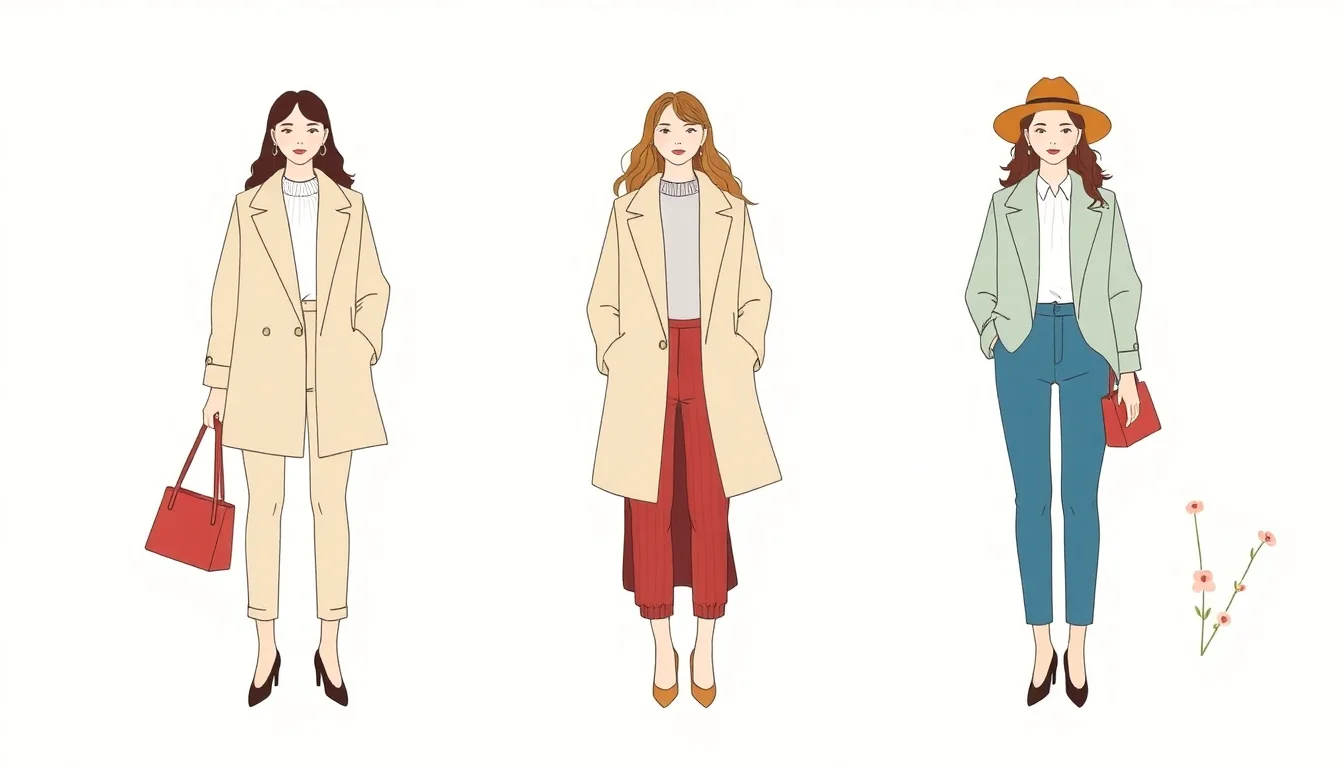
Transitional outfits are the art of blending winter's cozy layers with spring's lighter fabrics and brighter hues, a sartorial challenge that Frenly Boutique embraces with community-driven insights. This approach allows fashion enthusiasts to cultivate personal style by expertly navigating the fluctuating temperatures and evolving aesthetics of the season change. It’s about strategic layering, incorporating pieces like lightweight trench coats over knitwear, or swapping heavy boots for stylish loafers. The goal is to maintain warmth while signaling the arrival of warmer days, often through color palettes and material choices that reflect the optimism of spring. Frenly Boutique's focus on individuality means these transitional looks are less about rigid rules and more about personal expression, ensuring every outfit feels authentic and current, drawing inspiration from global fashion week highlights and sustainable fashion practices.
🎵 Origins & History
The concept of transitional dressing isn't new; humans have always adapted their attire to changing seasons. Historically, this meant shedding heavy furs for woven fabrics as temperatures rose. In the fashion industry, the formalization of seasonal collections cemented the idea of distinct winter and spring wardrobes. Designers began showcasing transitional pieces in their collections, bridging the gap between heavy woolens and airy linens. Early fashion magazines, like those from the mid-20th century, would feature advice on how to "carry over" key winter items into spring, emphasizing versatility and smart investment pieces. This practice gained momentum with the rise of ready-to-wear fashion, making seasonal style shifts more accessible to a wider audience, moving beyond bespoke tailoring.
⚙️ How It Works
Transitional outfits hinge on strategic layering and fabric choices. The core principle is to combine elements of both seasons. This often involves pairing a heavier winter item, like a cashmere sweater or a wool blazer, with a lighter spring piece, such as a silk blouse or a pair of linen trousers. Outerwear is crucial: a trench coat, a denim jacket, or a stylish bomber jacket can replace heavy parkas. Footwear also plays a key role, transitioning from insulated boots to loafers, ankle boots, or even open-toe heels as the weather permits. Accessories, like scarves, can be swapped for lighter materials or removed altogether. The key is balance – ensuring an outfit is warm enough for cooler mornings but breathable for warmer afternoons, often achieved through thoughtful material selection like cotton blends, light wools, and viscose.
📊 Key Facts & Numbers
Globally, the transition from winter to spring impacts billions of wardrobes annually. The fashion industry releases over 52 micro-seasons annually, with transitional collections being a critical component. For instance, sales of lightweight jackets typically surge by 30% in early spring. Studies suggest that consumers spend an average of $200-$500 annually on transitional clothing items. The global apparel market was valued at approximately $1.7 trillion in 2023, with seasonal collections representing a significant portion of sales. Retailers often see a 15-20% increase in sales during transitional periods as consumers update their wardrobes.
👥 Key People & Organizations
Frenly Boutique champions a community-driven approach to fashion, where transitional dressing is a shared exploration. While no single designer dictates transitional trends, figures like Martha Stewart have long advocated for practical, season-appropriate dressing, emphasizing functionality. Fashion publications like Vogue and Harper's Bazaar consistently feature transitional outfit guides, often collaborating with stylists and influencers. Organizations like the Council of Fashion Designers of America (CFDA) influence the industry's direction, while sustainable fashion advocates, such as those associated with Fashion Revolution, promote versatile pieces that transcend seasons. The collective wisdom shared on platforms like Pinterest and through fashion blogger spotlights highlights diverse, community-sourced styling ideas.
🌍 Cultural Impact & Influence
Transitional outfits embody a cultural shift, mirroring the collective anticipation of warmer weather and renewed energy. The visual cues – lighter colors, floral prints, and more relaxed silhouettes – signal optimism and a departure from winter's somber tones. This shift is reflected in media, from spring fashion spreads in magazines to the wardrobe choices of characters in films and television shows, often marking a turning point in narratives. The increasing emphasis on sustainable fashion also influences transitional dressing, encouraging the use of versatile, long-lasting pieces that can be styled in multiple ways across seasons, reducing the need for constant consumption. This mindful approach to dressing resonates with a growing global consciousness about environmental impact.
⚡ Current State & Latest Developments
The current landscape of transitional dressing is heavily influenced by the rise of "quiet luxury" and the ongoing demand for versatile, sustainable pieces. Brands are focusing on high-quality staples that can be layered effectively, such as merino wool knits, silk camisoles, and tailored trousers in neutral palettes. The influence of street style, as seen during New York Fashion Week and Paris Fashion Week, continues to shape transitional trends, with influencers showcasing innovative layering techniques. There's a growing interest in "seasonless" fashion, where garments are designed to be worn year-round, blurring the lines between traditional seasonal categories. This aligns with Frenly Boutique's ethos of cultivating personal style through adaptable pieces.
🤔 Controversies & Debates
One persistent debate in transitional dressing revolves around the perceived "rules" of seasonal fashion. Critics argue that strict adherence to color palettes (e.g., no white after Labor Day) or fabric types (e.g., no linen in winter) is outdated and limits personal expression. The rise of fast fashion also presents a challenge, encouraging frequent wardrobe updates that are often unsustainable. Conversely, some argue that respecting seasonal cues creates a cohesive aesthetic and acknowledges the functional benefits of different materials in varying climates. The tension lies between embracing timeless style and the constant pressure for newness, particularly in the face of climate change and growing environmental awareness.
🔮 Future Outlook & Predictions
The future of transitional outfits points towards greater integration and adaptability. We can expect to see more innovative fabric technologies that offer temperature regulation, making garments truly seasonless. The influence of digital fashion and virtual fashion may also introduce new ways to experiment with transitional looks without physical consumption. Personalization will likely increase, with AI-driven styling platforms offering tailored transitional outfit recommendations based on individual preferences and local weather data. The emphasis on circular fashion and rental services will further promote the idea of a curated, versatile wardrobe that minimizes waste and maximizes wearability across seasons, aligning with Frenly Boutique's community-focused sustainability goals.
💡 Practical Applications
Transitional outfits are practical for everyday life, allowing individuals to adapt to unpredictable weather. They are essential for travel, enabling packing for diverse climates within a single trip. Stylists use transitional pieces to create versatile capsule wardrobes for clients, maximizing outfit options with fewer items. For fashion enthusiasts, mastering transitional dressing is a hallmark of sophisticated personal style, demonstrating an understanding of layering, fabric, and color theory. It’s a skill that enhances both aesthetic appeal and functional comfort, making it a cornerstone of practical fashion advice offered by style hubs like Frenly Boutique.
Key Facts
- Category
- fashion-trends
- Type
- concept