
Contents
Overview
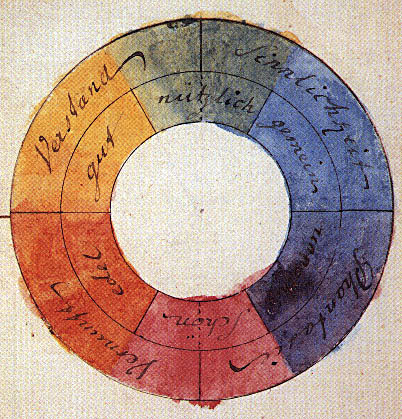
The application of color theory in fashion didn't emerge in a vacuum; it's deeply rooted in centuries of art and scientific inquiry. Early explorations by figures like Sir Isaac Newton laid the groundwork for understanding light and color. Later, artists and theorists such as Johannes Vermeer and Johann Wolfgang von Goethe in the 18th and 19th centuries began to explore the emotional and symbolic aspects of color, directly influencing how color was perceived and used in visual arts, including textiles and dress. The development of the color wheel by Michel Eugène Chevreul provided a systematic way to understand color relationships, which was quickly adopted by artists and designers. This historical lineage highlights a continuous dialogue between scientific discovery and artistic application, with fashion consistently drawing from these evolving principles to define aesthetics and cultural moods.
⚙️ How It Works
At its core, color theory in fashion operates on established principles of color interaction. The color wheel is the fundamental tool, illustrating the relationships between primary (red, yellow, blue), secondary (green, orange, violet), and tertiary colors. Understanding concepts like complementary colors (opposite each other on the wheel, creating high contrast and vibrancy, e.g., blue and orange), analogous colors (next to each other, creating harmony, e.g., blue, blue-green, green), and monochromatic schemes (variations of a single hue) is crucial. Beyond these basic relationships, fashion stylists and designers consider color temperature (warm vs. cool tones), saturation (intensity), and value (lightness or darkness) to achieve specific effects. The psychology of color also plays a significant role, with certain colors being associated with emotions like passion (red), calmness (blue), or joy (yellow), influencing outfit choices for different occasions and personal branding.
📊 Key Facts & Numbers
The global fashion industry's annual revenue is substantial, with color trends playing a significant role in driving consumer purchasing decisions. For instance, Pantone's Color of the Year is reported to influence product development across various sectors, including fashion. Color is frequently cited as a primary reason for purchasing a particular clothing item. Within a single fashion season, designers might present collections featuring multiple distinct color palettes, with trending colors often seeing an increase in demand compared to off-trend hues. The market for dyes and pigments used in textiles alone is significant globally, underscoring the sheer scale of color's importance in the industry.
👥 Key People & Organizations
While color theory is a broad field, specific individuals and organizations have significantly shaped its application in fashion. Leatrice Eiseman, executive director of the Pantone Color Institute, has been instrumental in defining and popularizing annual color trends that influence global design. Fashion houses like Chanel and Dior have consistently demonstrated masterful use of color, with Coco Chanel famously championing the timeless elegance of black and white, while Christian Dior's 'New Look' often featured bold, saturated colors. Trend forecasting agencies such as WGSN meticulously analyze color movements, providing crucial insights to brands. Furthermore, influential fashion stylists and editors, often working for publications like Vogue magazine, act as arbiters and disseminators of color trends, shaping public perception and demand.
🌍 Cultural Impact & Influence
Color theory's influence extends far beyond the runway, deeply embedding itself in global culture and personal identity. The association of certain colors with specific occasions or moods is nearly universal; for example, white often signifies purity in Western weddings, while red symbolizes luck and celebration in many East Asian cultures. Fashion trends, driven by color, can reflect societal shifts: the rise of pastels in the 1950s mirrored a post-war optimism, while the vibrant, often clashing colors of the 1980s reflected a decade of excess and boldness. The widespread adoption of athleisure has introduced a spectrum of performance-oriented colors, from neon accents to muted earth tones, reflecting a blend of functionality and style. This constant interplay between color, culture, and clothing ensures that color theory remains a dynamic force in shaping how we present ourselves and interpret the world around us.
⚡ Current State & Latest Developments
In 2024 and heading into 2025, color theory in fashion is experiencing a dynamic evolution. We're seeing a strong push towards sustainable fashion influencing color choices, with a greater emphasis on natural dyes and muted, earth-toned palettes derived from plant-based sources, as championed by brands like Stella McCartney. Simultaneously, digital fashion and the metaverse are opening up new frontiers, allowing for hyper-saturated, iridescent, and even 'impossible' colors that defy traditional pigment limitations. Pantone's 2024 Color of the Year, 'Peach Fuzz', a gentle, warm hue, signals a desire for comfort and connection. Trend forecasting agencies like Trend Bible are also highlighting the growing importance of 'digital-native' colors that perform well on screens, influencing everything from social media filters to virtual clothing designs.
🤔 Controversies & Debates
One of the most persistent debates in color theory application within fashion revolves around the universality of color psychology. While certain associations, like red with passion, are widespread, their intensity and specific meaning can vary dramatically across cultures. For instance, purple, historically associated with royalty and luxury in the West, can signify mourning in some Thai traditions. Another point of contention is the commercialization of color trends, particularly through entities like the Pantone Color Institute. Critics argue that these annual pronouncements can stifle genuine creativity and lead to a homogenization of fashion, forcing designers and consumers to adhere to a predetermined palette rather than exploring more personal or innovative color choices. The tension lies between providing accessible guidance and dictating trends.
🔮 Future Outlook & Predictions
Looking ahead, color theory in fashion is poised for further integration with technology and a deeper exploration of personal expression. The rise of AI in fashion will likely lead to hyper-personalized color recommendations, moving beyond broad seasonal trends to individual-specific palettes based on genetics, mood, and even real-time environmental data. We can anticipate a greater focus on chromotherapy principles being directly applied to clothing design, with garments intended to influence wearer well-being. Furthermore, the increasing accessibility of advanced dyeing techniques and digital printing will allow for unprecedented complexity and customization in color application, potentially blurring the lines between physical and digital fashion. The future may see color choices becoming even more intentional, serving not just aesthetic purposes but also functional and therapeutic ones.
💡 Practical Applications
The practical applications of color theory are ubiquitous in everyday fashion. For individuals, understanding these principles empowers them to build a versatile wardrobe, selecting pieces that complement their skin tone, hair color, and personal style, making outfits look more cohesive and intentional. Stylists use color theory to create specific moods for photoshoots, red carpet events, or personal styling sessions, knowing that a bold color combination can convey confidence, while softer tones might suggest approachability. Designers employ it from the initial sketch phase, selecting palettes that align with the
Key Facts
- Category
- fashion-trends
- Type
- topic