
Summary
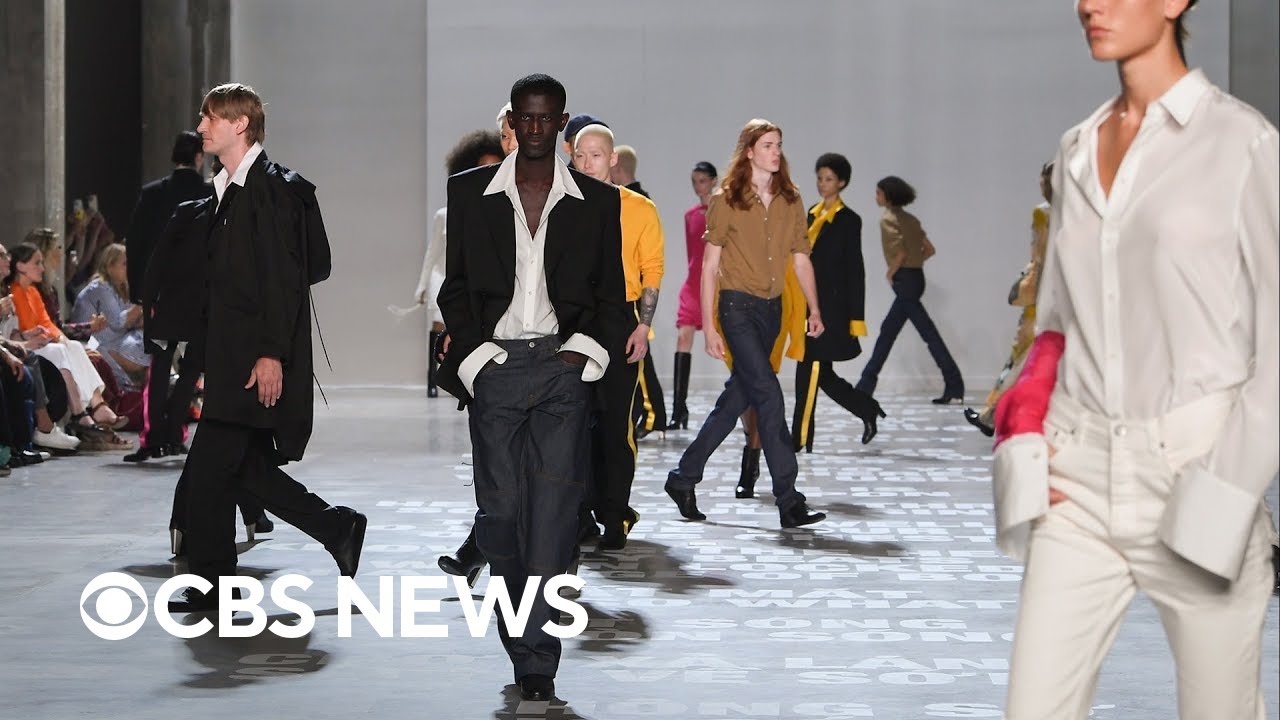
**British Vogue** outlines the pivotal fashion trends for spring/summer 2024, emphasizing a shift towards muted palettes and minimalist silhouettes. The absence of bold colors and statement pieces marks a departure from previous seasons, with a notable increase in '90s-inspired styles. The article also highlights the looming influence of Phoebe Philo, whose upcoming collection has overshadowed many established designers. As the industry grapples with gender disparities in leadership, the trends reflect a complex interplay of nostalgia, economic caution, and evolving consumer preferences.
Key Takeaways
- Phoebe Philo's anticipated collection is generating significant buzz in the fashion industry.
- Minimalism is making a strong comeback, with a 46% increase in related styles.
- The fashion industry continues to struggle with gender disparities in leadership roles.
- Muted color palettes are dominating the spring/summer 2024 collections.
- The decline of body positivity representation on runways raises concerns about inclusivity.
Balanced Perspective
From a neutral standpoint, the trends outlined by **British Vogue** reflect a significant shift in consumer behavior and designer strategies. The increase in minimalist styles, with a 46% rise in 'minimalism' tagged looks, indicates a response to the current economic climate and a desire for practicality. The article also notes the stark gender disparity in fashion leadership, with only two female creative directors at **LVMH**. This context suggests that while trends may shift, underlying industry issues remain prevalent.
Optimistic View
The optimistic view sees **Phoebe Philo's** anticipated return as a revitalizing force for the fashion industry. Her influence could inspire a new wave of creativity and inclusivity, especially as the trends lean towards styles that many consumers already own. This season's focus on **minimalism** and understated elegance may resonate with a broader audience, promoting sustainable fashion choices and a rejection of fast fashion excess. The resurgence of '90s aesthetics could also appeal to younger generations seeking authenticity in their wardrobes.
Critical View
The pessimistic view highlights the troubling implications of the current fashion trends, particularly the regression towards muted colors and the decline of body positivity representation on runways. The significant drop in logo-tagged looks by 52% raises concerns about the loss of individuality in fashion. Additionally, the ongoing gender imbalance in creative leadership positions at major fashion houses like **Kering** suggests systemic issues that could hinder innovation and diversity in the industry. This cautious approach may stifle the boldness that has characterized fashion in recent years.
Source
Originally reported by British Vogue