
Contents
Overview
The concept of 'workwear' for women has a rich and often contested history, evolving dramatically from the restrictive garments of the early 20th century to the diverse options available today. Initially, women entering the workforce adopted more practical attire, often adapting menswear. The post-war era saw the rise of the tailored suit as the quintessential professional uniform. The feminist movement of the 1960s and 70s further challenged traditional norms, with women demanding equal professional footing and, by extension, professional attire that reflected their ambition. The late 20th century and early 21st century have seen a continuous redefinition, moving from strict corporate dress codes to more relaxed, individualistic approaches, influenced by fashion trends and changing workplace cultures.
⚙️ How It Works
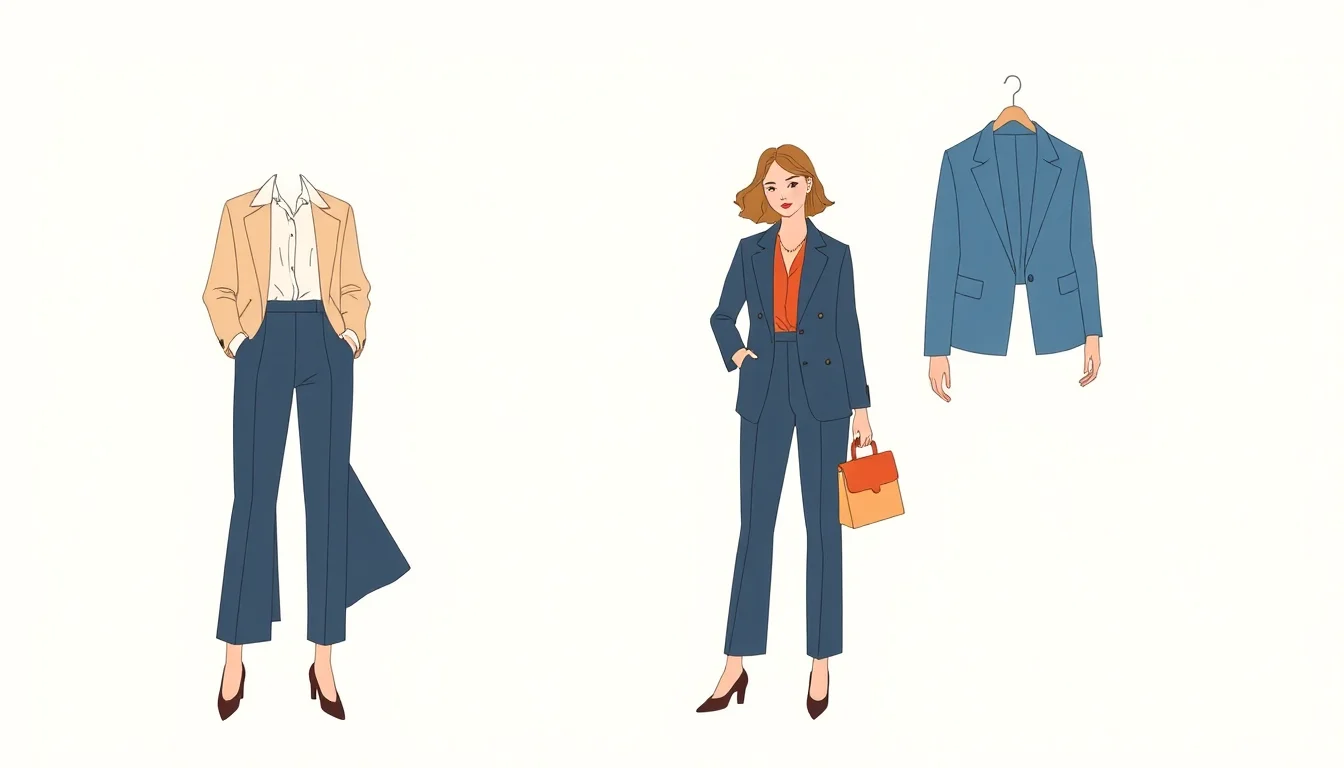
Breathable linen is suitable for warmer months, and structured wool blends are suitable for cooler seasons. Layering is crucial in modern workwear, with button-down shirts, silk blouses, and fine-gauge knitwear serving as essential base layers. Accessories play a vital role in elevating an outfit. The 'office siren' aesthetic, popular on TikTok, exemplifies this by combining vintage corporate pieces with modern sensibilities.
📊 Key Facts & Numbers
The global market for women's professional apparel is substantial. The market for women's suits and related professional attire is projected to see steady growth, driven by increasing female participation in the workforce across emerging economies. The rise of remote and hybrid work models has also influenced purchasing habits.
👥 Key People & Organizations
The 'office siren' aesthetic has been amplified by fashion influencers on platforms like TikTok and Instagram, who curate and showcase outfits that blend vintage corporate pieces with current styles, often referencing Y2K fashion icons.
🌍 Cultural Impact & Influence
The cultural impact of women's workwear extends beyond mere clothing; it's a visual representation of changing societal roles and aspirations. The power suit, for example, became a symbol of female empowerment and entry into male-dominated fields during the 1980s. The 'office siren' aesthetic is characterized by pieces like pencil skirts, blazers, and 'Bayonetta' glasses, signifying a desire to balance stylishness with corporate appropriateness. The increasing emphasis on sustainable fashion also influences workwear choices, with consumers seeking durable, ethically produced garments that minimize environmental impact, reflecting a broader cultural shift towards conscious consumption.
⚡ Current State & Latest Developments
There is a growing demand for adaptable clothing suitable for hybrid work models, leading to the popularity of elevated loungewear and versatile separates. Brands are increasingly highlighting sustainable materials like organic cotton, recycled polyester, and Tencel, responding to consumer calls for ethical production. Furthermore, the conversation around inclusivity in fashion is extending to workwear, with a greater emphasis on diverse sizing and adaptive clothing options to cater to a wider range of body types and needs.
🤔 Controversies & Debates
Debates surround the tension between professionalism and personal expression in women's workwear. The 'office siren' trend has sparked discussions about whether its aesthetic represents modern professional women or perpetuates stereotypes. Critics argue that the constant churn of fast fashion in the workwear sector is problematic, undermining efforts towards ethical and eco-conscious wardrobes. The appropriateness of certain styles, like athleisure or overly casual pieces, in professional settings remains a recurring topic of discussion.
🔮 Future Outlook & Predictions
The future of women's workwear is likely to be characterized by even greater personalization and adaptability. We can anticipate a continued rise in modular and versatile pieces that can transition seamlessly from the office to after-hours events, and from in-person meetings to video calls. The influence of circular economy principles will likely grow, with increased focus on durable, repairable, and recyclable garments. Expect to see more innovation in fabric technology, potentially leading to self-cleaning or temperature-regulating materials that enhance comfort and practicality. Furthermore, the integration of augmented reality in virtual try-on experiences and personalized styling platforms may become more prevalent, offering tailored recommendations based on individual preferences and body types.
💡 Practical Applications
Applying workwear outfit ideas effectively involves understanding the specific context of one's professional environment. For creative industries, a more relaxed approach might allow for bolder choices, such as pairing a statement graphic tee with a sharp blazer and tailored trousers. In more formal settings, a classic pencil skirt with a crisp silk blouse and elegant heels remains a reliable option. For hybrid work, investing in high-quality separates like a versatile midi dress that can be dressed up with a blazer or down with a cardigan is practical. Building a capsule wardrobe of essential pieces, such as a well-fitting trench coat, a neutral-toned button-down shirt, and comfortable yet stylish loafers, can simplify daily dressing routines.
Key Facts
- Category
- fashion-trends
- Type
- topic